




Peaches 101: Benefits, Varieties, Storage and Culinary Uses
Discover everything about juicy peaches: top US varieties, health benefits, how to pick ripe fruit, and easy storage tips. Read the complete guide!
FRUITS
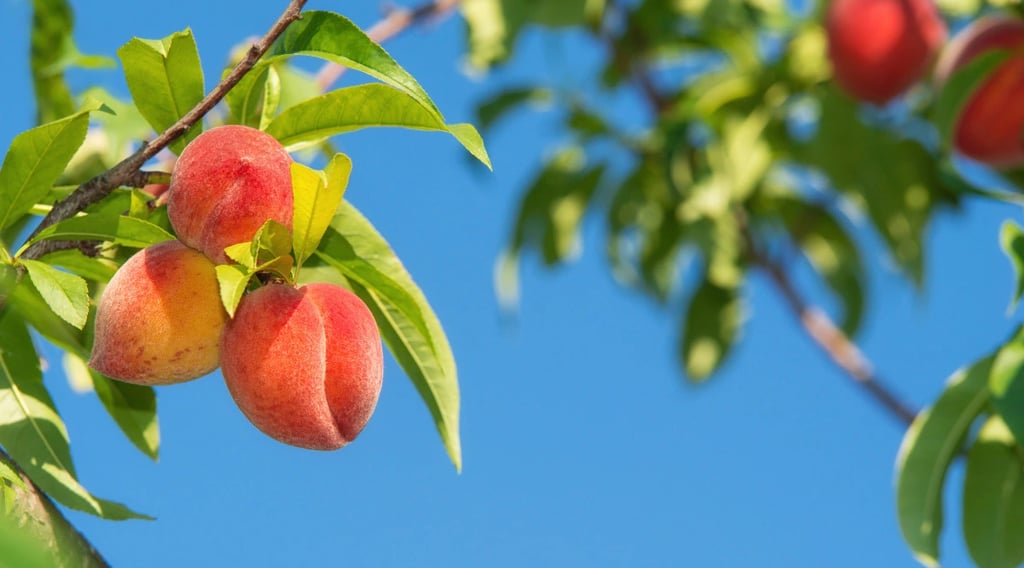
- The Ultimate Peach Guide: From Blossom to Bite
Lush orchards at sunrise, the sweet scent of summer fruit, and the irresistible texture of soft, juice-filled bites—peaches have long captured the imagination of cultures from antiquity to today.
Their journey starts in ancient China, sweeps through Persian royalty, and finds its way into modern kitchens across the globe. With their delicate skin, intoxicating aroma, and surprising health benefits, peaches are more than a summer delight: they are a symbol of abundance and wellness.
This comprehensive guide dives into the botanical features, history, popular US varieties, and nutritional secrets of peaches, offering practical advice to enjoy these stone fruits year-round.
📌 Key Points at a Glance
Botanical Family: Peaches belong to the Rosaceae family, alongside plums, cherries, apricots, and almonds.
Stone Types: Classified by flesh adherence as clingstone, freestone, or semi-freestone.
Global & US Production: Native to China, now widely grown in the U.S. (California, Georgia, South Carolina).
Top US Varieties: Popular cultivars include Elberta, Red Haven, Donut, Babcock, and Georgia Belle.
Nutritional Powerhouse: High in vitamins A and C, fiber, and potent antioxidants.
Culinary Versatility: Ideal for eating fresh, baking, grilling, and smoothies.
- Peach Botany: Clingstone vs. Freestone Varieties
. Understanding the Stone Fruit Family
Peaches (Prunus persica) are prominent members of the Rosaceae family. This botanical kinship explains shared characteristics with plums, cherries, apricots, and almonds—specifically their fleshy exteriors and single, hard pits, defining them as true "stone fruits."
The characteristic fine fuzz on peach skin acts as a natural pest deterrent while providing a iconic tactile feel. Internal flesh ranges from golden yellow to snowy white, delivering flavor profiles from honeyed sweetness to subtle tartness.
. Differences Between Clingstone, Freestone, and Semi-Freestone
In markets and orchards, peaches are categorized by how the flesh adheres to the pit:
Clingstone Peaches: The flesh clings tightly to the pit. They are exceptionally juicy and tender, making them the top choice for canning, preserves, and commercial baking.
Freestone Peaches: The pit separates effortlessly from the flesh. They are easy to slice, making them ideal for fresh eating, salads, and quick kitchen prep.
Semi-Freestone Peaches: A hybrid category where the flesh partially clings to the pit, offering a balance of juiciness and easy preparation.
- Origins and History: From Ancient China to American Orchards
. The Silk Road Journey
The history of peaches spans over 4,000 years, beginning in the river valleys of China, where they symbolized immortality and prosperity.
Through ancient trade routes, peaches traveled along the Silk Road into Persia, acquiring their botanical name persica. Persian horticulturists refined the fruit before it spread across the Mediterranean, into Roman cuisine, medieval European monastic gardens, and eventually the Americas.
. Top Peach-Producing States in the U.S.
China leads global production, followed by Italy, Spain, and the United States. Within the U.S., commercial production is centered in three key states:
California: Leads the nation in overall volume, supplying the majority of fresh market peaches and nearly all commercial canning stock.
Georgia: Famous for its humid summers that yield exceptionally sweet, fragrant peaches harvested from mid-May through August.
South Carolina: A major East Coast powerhouse producing high-quality fresh summer fruit.
Notable production also occurs in New Jersey, Michigan, and Colorado.
- Popular US Peach Varieties: Yellow vs. White Flesh
. Yellow Peaches vs. White Peaches
American consumers generally choose between two primary flesh colors:
Yellow-Fleshed Peaches: Offer a classic, tangy-sweet flavor profile with hints of citrus and honey. Their firm structure holds up exceptionally well in baking and cooking.
White-Fleshed Peaches: Feature a delicate, floral sweetness with significantly lower acidity. They are best enjoyed fresh out of hand or sliced into light fruit salads.
. Top American Cultivars
Elberta: The classic golden freestone peach; the industry standard for pies, cobblers, and home canning.
Red Haven: An early-season favorite with eye-catching red skin, crisp texture, and reliable sweetness.
Donut (Saturn): Instantly recognizable by its flattened shape; features ultra-sweet white flesh and minimal acidity.
Georgia Belle: A southern heritage white-fleshed variety celebrated for its intense aroma and juicy flesh.
Arctic Supreme: A premium white-fleshed variety prized for its honeyed notes and rich juice content.
Babcock: A mild, creamy white peach with a subtle, delicate flavor.
Cresthaven: A firm, yellow-fleshed freestone variety that balances sweet and tart notes perfectly for baking.
- Nutritional Profile & Antioxidant Benefits
. Key Vitamins and Low-Calorie Facts
One medium peach (approx. 150 grams) contains about 60 calories, making it a nutrient-dense, low-calorie snack.
Vitamin C: Supports immune health and collagen synthesis.
Vitamin A & E: Promotes healthy skin and vision.
Dietary Fiber: Supports gut motility, digestive health, and satiety.
Potassium & Magnesium: Helps maintain healthy blood pressure levels.
. Fresh vs. Canned Peaches: Antioxidant Levels
Fresh peaches contain high levels of polyphenols, carotenoids, and chlorogenic acid, which help combat oxidative stress and cellular inflammation.
Nutritional Tip: Processing and canning in heavy syrup can degrade water-soluble vitamins and antioxidants. To retain maximum health benefits, opt for fresh peaches when in season, or frozen unsweetened peach slices during the off-season.
- Health Benefits Backed by Science
. Cardiovascular Support
The potassium, fiber, and chlorogenic acid in peaches work synergistically to support heart health. Chlorogenic acid helps bind bile acids in the digestive tract, aiding in cholesterol excretion and supporting arterial health.
. Digestive Health & Traditional Uses
With a balanced mix of soluble and insoluble fiber, peaches promote smooth digestion. In Traditional Chinese Medicine, peach blossoms have historically been brewed into gentle teas to ease constipation and promote internal flow.
. Skin Hydration & Immune Defense
High concentrations of vitamins A and C strengthen the skin barrier against environmental stressors while boosting collagen production. Additionally, natural bioactive compounds help neutralize free radicals, supporting cellular defense and overall immunity.
- Buyer’s Guide: Selection, Storage & Preparation
. How to Choose Ripe Peaches
Touch: Ripe peaches yield slightly to gentle pressure near the stem.
Aroma: Look for a sweet, fragrant smell—a strong indicator of full flavor.
Color: Check for vibrant skin tone without green undertones around the stem.
Avoid: Fruit with soft bruises, shriveled skin, or flat scents.
. Proper Storage Methods
At Room Temperature: Keep firm peaches on the counter until fully ripe.
Refrigeration: Transfer ripe peaches to the fridge to slow further ripening; consume within 3–5 days for optimal texture.
Washing: Wash fruit only immediately before eating to prevent excess moisture from inducing mold.
Freezing: Toss sliced peaches with a dash of lemon juice (to prevent browning) and store in airtight freezer bags.
- Easy Culinary Ideas & Flavor Pairings
Peaches adapt seamlessly to both sweet and savory recipes:
Fresh & Raw: Slice over Greek yogurt, oatmeal, or summer green salads featuring arugula and prosciutto.
Baked Goods: Use freestone varieties like Elberta for rustic cobblers, pies, and tarts.
On the Grill: Halve and grill peaches over medium heat until caramelized; serve alongside pork chops or topped with vanilla ice cream.
Smoothies: Blend frozen peach slices with almond milk and mint for a refreshing, non-dairy treat.
Best Flavor Pairings: Fresh basil, mint, burrata, ricotta, pecans, warm cinnamon, and balsamic glaze.
- Precautions, Allergies & Side Effects
While safe for most people, certain considerations apply:
Stone Fruit Allergies: Individuals sensitive to plums or cherries may experience Oral Allergy Syndrome (itching/swelling of the mouth).
Digestive Sensitivity: Overconsumption of high-fiber fruits can lead to temporary bloating or mild laxative effects.
Medical Considerations: Due to moderate potassium content, individuals with severe kidney disease or those on specific heart medications should monitor their intake.
- Frequently Asked Questions (FAQ)
. What is the main difference between white and yellow peaches?
Yellow peaches offer a classic tangy-sweet taste with higher acidity, making them great for baking. White peaches are lower in acid with a sweeter, floral flavor ideal for fresh eating.
. Do peaches ripen after being picked?
Yes, peaches will soften and develop more juice on the counter at room temperature, though their peak sugar content is established while still on the tree.
. Is it safe to eat peach skin?
Absolutely. Peach skin is edible and contains a high concentration of dietary fiber and antioxidants. Just be sure to wash thoroughly before eating.
. What is the best way to keep sliced peaches from turning brown?
Toss sliced peaches gently in a little fresh lemon juice or dilute ascorbic acid before storing them in an airtight container.