



Strawberries: Health Benefits, Varieties & Fresh Recipes
Discover everything about juicy fresh strawberries! Explore top health benefits, sweet summer varieties, how to store them, and easy recipes to try today.
FRUITS
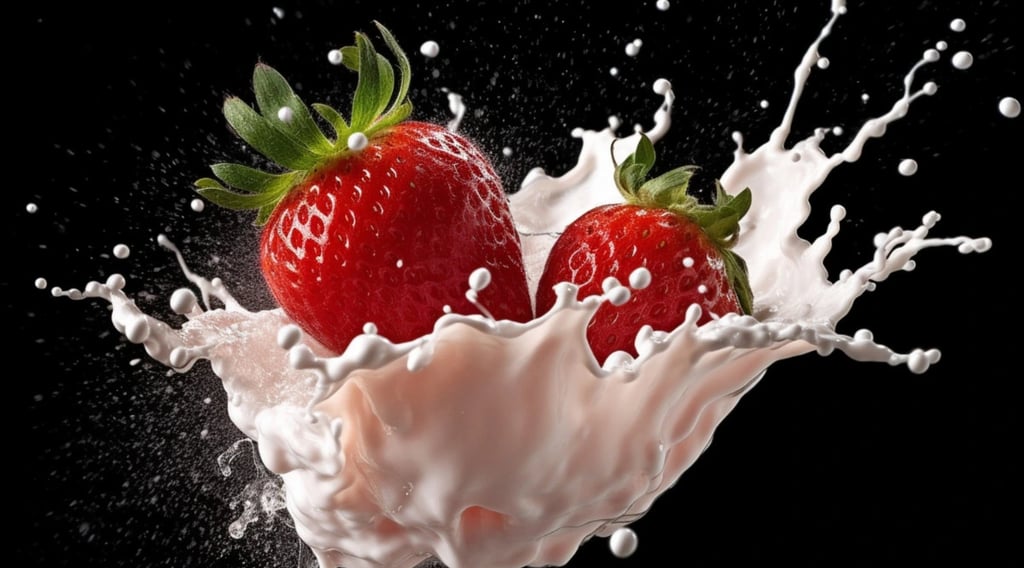
Strawberries are more than a sweet summer treat: they’re a botanical wonder with a unique fruit structure, a nutrient profile that rewards smart eating, and a long history shaped by both growers and genetics.
From their aggregate accessory fruit design—where the “real” fruit is actually the seed— to the science behind antioxidants like anthocyanins, strawberries connect flavor to health in a way few other fruits can. 🫐✨ Their impact spans cellular protection, heart health markers, and even emerging connections to brain health, while their naturally lower sugar profile supports a more balanced approach to blood sugar management.
Yet the same modern convenience that brings bright berries year-round also introduces challenges: monoculture vulnerability, pesticide and residue concerns, water demands, and reduced biodiversity. 🌍🌿 That tension—taste and convenience versus sustainability and resilience—runs through everything from how berries are bred (size, shelf life, appearance) to how consumers can make better choices.
Keep reading for clear nutrition facts, practical handling tips (including how to keep strawberries fresh longer), cultivation guidance that fits even a small balcony, and quick recipe ideas like strawberry jam recipe without pectin and an easy strawberry boba recipe.
At a Glance:
Botany reality check: strawberries are an aggregate accessory fruit, and the seeds are the true fruit 🧬
Nutrition highlights: nutrient-dense, low in calories per serving, with meaningful vitamin C and fiber 🥣
Health science: antioxidants (notably anthocyanins) support cellular defense and reduce oxidative stress 🛡️
Heart and brain connections: improved cardiovascular risk factors and potential cognitive protection are actively studied ❤️🧠
Production trade-offs: modern breeding boosts uniformity but can reduce flavor, nutrition, and resilience 🌱
Practical guidance: residue-aware washing, storage hacks, and options for home planting (containers & hanging setups) 🍓
- Strawberries as a Fruit: Botanical Reality vs Common Belief
Most people describe strawberries by how they look, but botany adds an extra layer of wonder. strawberries belong to the genus Fragaria, and the common culinary “fruit” is technically a complex structure. What we pick and eat isn’t a single berry in the strict botanical sense—it’s an aggregate accessory fruit. 🧬🍓
Here’s the scientific twist: the “fleshy body” you bite is formed from the receptacle (the flowering part that supports the ovary), while the actual fruit is each seed. Those tiny yellow dots on the outside are what botanists consider the true fruit: the individual achene-type seeds embedded in the surface.
This matters for nutrition conversations too. When consumers say strawberries are “seed-rich,” they’re not just being poetic—each seed contributes to the structure and the overall composition of the edible part. And that composition is where the health story begins: antioxidants, vitamin density, and fiber all come together in a fruit that’s low in calories yet big on flavor.
So the next time you hear a simple description—“strawberries are berries”—remember: the science is richer, and that richness is part of what makes strawberries such a satisfying food.
. Nutrition Profile: Serving Size, Calories, and Key Micronutrients
Nutrition is where strawberries earn their reputation for being both delicious and sensible. A typical serving is about 1 cup of whole strawberries (roughly 150 grams), providing around calories you can fit into most balanced plans without feeling heavy. Their macronutrient profile is straightforward: mostly carbohydrates, with naturally occurring sweetness rather than added sugars. 🥣✨
For a practical viewpoint, compare them with sweeter fruits: strawberries tend to have low sugar content relative to many popular fruits, which is one reason they’re often chosen for lighter desserts and snacks. They also deliver fiber, supporting digestion and helping you feel satisfied after eating.
Key micronutrients include vitamin C, manganese, folate, and potassium. Vitamin C supports collagen formation and immune function, while manganese and folate contribute to metabolic processes. Potassium supports normal muscle and nerve activity—useful when you’re living an active routine.
Per serving: vitamin C supports immune defense 💪🫧
Carb content: mostly carbohydrates with natural sweetness 🍬
Fiber included: helps support digestion 🥗
Minerals: manganese, folate, and potassium show up meaningfully 🧂
For readers who track portions closely, it helps to note the common query “calories in 10 strawberries.” The number varies by strawberry size, but using a consistent weight-based serving helps maintain accurate nutrition expectations.
What you eat matters—so strawberries deliver nutrients with fewer calories than many assume, especially when portioning is mindful.
. Low Sugar, Smart Sweetness, and Strawberry Glycemic Index
Sweet foods often trigger concerns about blood response, and strawberries are a frequent “Is it safe?” topic in kitchens and nutrition planning. People ask about strawberry glycemic index because they want to know whether the fruit spikes blood sugar.
In practice, strawberries have a lower glycemic impact than many higher-sugar fruits because of their fiber content and naturally balanced carbohydrate profile. That doesn’t mean “no effect,” but it does mean the fruit often fits better into meal patterns focused on steady energy.
This is why strawberries appear in discussions about blood sugar management and why studies evaluating insulin response draw attention. Some research suggests strawberries may reduce insulin release after consumption, offering a supportive angle for those considering dietary adjustments for blood sugar goals.
For anyone curious about practical “how much is too much,” pairing strawberries with protein or healthy fats (like nuts or plain yogurt) can further smooth meal effects—though personal tolerance still matters.
- Health Benefits of Strawberries: Antioxidants, Inflammation, and Heart Support
Health claims can become vague, so it helps to anchor them in real mechanisms. Strawberries are rich in antioxidants, especially polyphenols and anthocyanins that help protect cells from oxidative stress. 🛡️🍓
Anthocyanins are the pigments that give strawberries their characteristic red color, and they include pelargonidin, often cited as a predominant anthocyanin in strawberries. These compounds support the body’s natural defense systems by neutralizing reactive molecules that contribute to wear-and-tear over time.
One pathway researchers focus on is reduced oxidative stress, which connects directly to inflammation processes. Lifestyle factors and chronic conditions can amplify inflammatory signals, but diets rich in polyphenols often show relationships with lower inflammatory markers. Not every study is identical, yet the overall theme is consistent: strawberries provide bioactive compounds that align with anti-inflammatory biology.
. Brain Health Potential and Cellular Protection
The brain is particularly sensitive to oxidative stress and inflammation, so the antioxidant story becomes relevant beyond general wellness. Evidence suggests that strawberries may support brain health by helping mitigate cognitive decline, partly through antioxidant and anti-inflammatory effects. 🧠✨
Interest in Alzheimer’s disease risk reduction is often discussed in research contexts where antioxidants and anti-inflammatory molecules are examined for neuroprotection. While strawberries are not a cure, the biological plausibility is strong: oxidative damage and chronic inflammation are both central themes in neurodegenerative research.
For consumers, the most realistic takeaway is dietary consistency. When strawberries are part of an overall nutrient-rich pattern, the fruit becomes a convenient way to deliver protective compounds without resorting to supplements.
Does “food for the brain” sound too broad? The antioxidant mechanisms make it less vague, and the emerging data keeps the conversation moving.
. Immune Support from Vitamin C and Polyphenols
Immune function is one of strawberries’ clearest strengths. Their vitamin C content supports normal immune defense, while polyphenols contribute additional antiviral and antimicrobial activity signals in laboratory or early research settings. 🧫🫡
During seasonal cold periods, it’s easy to reach for sugary juices, but strawberries offer a different option: nutrient density with low sugar characteristics and antioxidant content.
For best results, pair strawberries with overall dietary variety—sleep, hydration, and balanced meals still matter. Yet including strawberries regularly can support immune-ready nutrition.
Small daily choices compound, and strawberries are a practical way to do that.
. Heart Health: Cholesterol, Triglycerides, and Vascular Function
Cardiovascular health is where strawberry research often looks most promising for everyday markers. Studies suggest that regular strawberries consumption may help improve factors linked with heart disease and stroke risk—such as cholesterol profiles, triglyceride levels, and aspects of vascular function. ❤️🩺
How does that work? The antioxidant and anti-inflammatory components may support endothelial function and reduce oxidative damage to lipids and blood vessels. When oxidative stress decreases, vascular pathways may respond more favorably, helping overall cardiovascular signaling.
Still, it’s important to interpret findings correctly: strawberries can be part of a heart-supportive diet, not a replacement for medical care or lifestyle fundamentals. What the research adds is a stronger rationale for including berries as a consistent nutrient source.
The insight is simple: heart health doesn’t require dramatic changes—often, it’s built from repeatable, nutrient-rich additions like strawberries.
. Inflammation and Lifestyle: A Fruit-Friendly Approach
Many people experience inflammation as a background factor shaped by stress, poor sleep, low activity, and dietary patterns high in ultra-processed foods. Strawberries fit differently: they offer polyphenols and antioxidants that may help reduce inflammatory signals connected to oxidative stress. 🌿📉
Clinical outcomes vary by study design, but the underlying compounds—anthocyanins, ellagic acid derivatives, and procyanidins—form a biochemical toolkit suited to oxidative and inflammatory pathways.
When building a practical plan, treat strawberries as a base ingredient: add them to breakfasts, incorporate them into snacks, or blend them into drinks rather than saving them only for occasional desserts.
Less inflammation starts with better patterns, and strawberries help make those patterns tasty.
- Key Bioactive Compounds: Anthocyanins, Ellagic Acid, and More
Strawberry health benefits aren’t just a marketing claim; they connect to identifiable compounds with known antioxidant behavior. The red color is the visible hint—behind it are molecules like pelargonidin (commonly highlighted as a key anthocyanin), plus ellagic acid, ellagitannins, and procyanidins. 🧪🍓
Ellagic acid and its related tannins are especially noted for antioxidant activity and potential roles in reducing chronic condition risk through effects on oxidative stress and inflammation-related signaling. Procyanidins add another layer, with research exploring cardiovascular and metabolic support in relevant contexts.
Across studies, strawberries are associated with decreased oxidative stress markers, improved heart health signals, and reduced inflammatory indicators. Some research also explores potential anticancer effects, though translating lab findings into robust human conclusions requires more evidence.
So what’s the most responsible way to use this science? Treat strawberries as a recurring dietary source of antioxidants and bioactive polyphenols rather than expecting one bite to “solve everything.”
In nutrition, consistency is often the best evidence-backed strategy.
- History and Origin: From Wild Species to Modern Fragaria × ananassa
Strawberries carry a surprisingly layered history, from wild populations to the commercial berries that appear in grocery stores worldwide. The foundational wild lineage includes species such as Fragaria vesca, often associated with the classic “wild strawberry” story told across gardening traditions. 🌍🌱
Over time, strawberries became part of European agriculture and culinary culture. In Europe, cultivation and selection shaped how people experienced the fruit—less about uniformity at first, more about local adaptation and flavorful varieties.
The major turning point came in the 18th century through hybridization. Gardeners and breeders combined Chilean and Virginian strawberry types—two botanical lineages with distinct traits. The result was the modern commercial strawberry, Fragaria × ananassa. In this blending, Chile contributed genetics linked to vigor and fruit qualities, and North American relatives contributed others that helped shape the modern fruit’s profile. 🌎🍓
Modern breeding success focused on size, shelf life, and appearance—traits that made strawberries reliable for large-scale distribution. The trade-off is notable: genetic uniformity can reduce flavor complexity, lower some nutritional attributes, and increase vulnerability to certain pests and diseases compared with wild or diverse heritage types.
This history helps explain why a strawberry from a local patch can taste different from one designed for long transport.
. Wild vs Modern Strawberries: Taste, Nutrition, Season, and Biodiversity
A side-by-side comparison shows the trade-offs clearly. Wild strawberries are usually smaller, often more intensely flavored, and may follow a narrower growing window. Modern strawberries are larger, more consistent, and engineered for transportation and retail shelf life—but can lose some of the aromatic complexity that makes wild fruit feel “alive” in the mouth. 🍓🔍
Nutritional comparisons can vary by variety and growing conditions, yet biodiversity tends to support resilience. With fewer genetic lines in commercial production, vulnerability increases—one reason agricultural challenges are so high today.
That’s why consumer choices matter. Supporting biodiversity and sustainability is possible through simple actions: buy local and seasonal berries, explore heritage varieties, choose organic growers when feasible, and even try learning how to grow strawberries in containers for a small garden experience at home.
If you’re tight on space, growing strawberries in hanging baskets offers a practical alternative and can increase the chance of enjoying fresh fruit at the peak of ripeness. And for those building a garden plan, planting with mindful structure—like strawberry companion plants—can support healthier growth patterns.
Do you want better taste, fewer risks, and a stronger seasonal connection? Wild-to-modern trade-offs point toward action you can take now.
- Agricultural Challenges: Pesticides, Water Needs, and Environmental Footprints
Growing strawberries isn’t easy, and the production system can make it harder. Strawberries are vulnerable to pests and diseases, and modern monoculture practices can amplify those risks. 🌾⚠️
High pesticide use can become part of the conversation because consumers increasingly worry about residues. Water demands are also significant, especially in regions where irrigation is required. And when berries are cultivated out of season using plastic tunnels, environmental footprints can grow—resource use increases and local ecological patterns may shift.
These realities shape consumer questions: should you rinse harder? Does organic really help? How do you reduce residue without wasting flavor?
A practical solution is informed washing: rinse strawberries under cool running water, remove any damaged berries, and pat dry before storage. Washing can’t eliminate everything, but it helps remove surface residues and dirt. When possible, choosing growers with transparent practices supports long-term improvement.
. Consumer Guidance: Residue, Storage, and Peak Flavor
Storage habits affect both freshness and perceived sweetness. Many people search for how to keep strawberries fresh longer because strawberries can soften quickly. The best approach is gentle handling: keep berries dry until serving, store them with airflow, and remove any overripe fruit promptly to reduce spoilage pressure. 🧊🍓
If you buy in bulk, consider portioning: freeze berries for smoothies and baking rather than keeping everything fresh for too long. Freezing can preserve flavor for later use, especially in recipes where texture doesn’t need to remain perfectly firm.
And if you want to align taste with nutrition, choose berries at peak ripeness. The fruit’s phytochemical profile and sweetness experience tend to match best when strawberries are fully colored and fragrant.
Freshness isn’t just about taste—it’s also how you protect the bioactive compounds you care about most.
- Growing Strawberries at Home: Containers, Planting Depth, and Regional Timing
Home gardening brings strawberries closer to their wild spirit—variety, care, and harvest moments. With the right plan, even limited space can produce real fruit. If you’re aiming for success, focus on sunlight, consistent moisture, and correct planting setup. 🌞🍓
Container gardening is especially helpful when you want control over soil quality and drainage. Learning how to grow strawberries in containers can turn balcony space into a mini orchard, provided the pots are large enough and drainage is reliable.
. Planting Guidance: How Deep, How Often, and What to Expect
Planting depth is an often-overlooked variable. A common question is how deep to plant strawberries. The crown should generally sit at or just above soil level, so it stays from rot while roots establish firmly. Proper depth supports steady growth and reduces disease vulnerability. ✅
Consistency matters more than frequency—watering should be even, and soil should not remain soggy. Mulching can help stabilize moisture and keep fruit cleaner during ripening.
For gardeners planning companions, strawberry companion plants like some flowering herbs can support pollinator activity and create a balanced microenvironment that encourages healthier growth patterns.
Want a practical shortcut? Observe your plants daily. Strawberry leaves tell you fast when something is off—dryness, nutrient stress, or pest activity.
. When to Plant Strawberries by Region: Texas and California
Timing is everything because strawberries are sensitive to temperature swings and seasonal weather patterns. Many gardeners ask when to plant strawberries in Texas and when to plant strawberries in california because the regional climate shapes how quickly plants root and how well they manage heat or cold. 🌡️📅
In general, planting schedules often revolve around cooler periods so plants establish before stressful summer conditions or harsh winter cold. For precise timing, follow local extension guidance and consider microclimates near your home—shade, wind exposure, and soil temperature can shift “best timing” by weeks.
If you’re building a container setup, you can sometimes adjust by moving pots to reduce heat exposure during the hottest days.
When you plant at the right moment, strawberries reward patience with stronger yields and better fruit quality.
- Food Ideas with Strawberries: Drinks, Desserts, and Smart Recipes
Strawberries are naturally versatile: breakfast toppings, quick sweet drinks, and desserts that can feel lighter than many alternatives. In a kitchen culture that loves shortcuts, strawberries deliver both flavor and flexibility without demanding heavy sugar for impact. 🍓✨
They also support different dietary styles depending on portion control and recipe composition. For example, keto strawberry dessert recipes often use strawberries in measured amounts combined with low-carb sweeteners and high-fat ingredients so the overall carb load stays manageable.
. Three No-Fuss Recipe Routes for Different Moods
Planning meals becomes easier when you have a few reliable strawberry formats. For drinks, an easy strawberry boba recipe can turn fruit into a fun treat at home, while a strawberry banana smoothie without yogurt offers a creamy texture without dairy for those who prefer it. 🧋🍌
For preservation, making strawberry jam recipe without pectin is a satisfying project—especially when fruit is at peak ripeness. The process relies on natural fruit pectin and careful simmering, which can produce a fragrant spread with a homemade touch.
And if you’re dealing with a tight calendar, focus on quick assemblies: berries plus oats, berries plus chia, or berries blended into a sauce for pancakes.
Once you have these staples, strawberries become a week-long ingredient rather than a one-day snack.
- Allergy and Special Considerations: Safety Without Panic
Strawberries are generally well tolerated, but allergies can occur. People with pollen-food allergy syndrome may experience symptoms due to cross-reactivity with certain pollens, especially those related to birch. 🍓🤧
Common symptoms include itching or tingling in the mouth, hives, swelling, and gastrointestinal discomfort in sensitive individuals. In some cases, white strawberries may be better tolerated because of differences in pigment-related compounds, although individual responses vary widely.
Another consideration: goitrogens can interfere with thyroid function in people with thyroid conditions, especially when diets rely heavily on goitrogenic foods without medical guidance. For sensitive individuals, it’s wise to discuss dietary patterns with a healthcare professional rather than assuming fruit is always risk-free.
Allergy guidance is personal. The safest approach is cautious testing and medical advice when symptoms appear.
- Pets and Strawberries: What to Know
Many pet owners wonder about strawberry safety, especially when plants are in reach. A common question is can dogs eat strawberry tops. While small amounts of strawberry fruit are often tolerated by many dogs, tops and plant matter can introduce digestive upset, and the bigger concern is whether any pesticides or fertilizers were used on garden plants. 🐶🌿
If a garden is organic and you’re controlling exposure, some owners still prefer sticking to small amounts of cleaned fruit rather than allowing chewing of leaves or crowns.
When in doubt, avoid plant parts and keep gardening treatments secure. Food safety for pets is about preventing exposure, not just providing “healthy-sounding” snacks.
- Most-searched topic about strawberries:
strawberries 🍓
how to grow strawberries
strawberry shortcake
strawberry benefits
how to keep strawberries fresh longer
strawberry jam recipe
strawberry smoothie
strawberry calories
strawberry nutrition
strawberry season
These searches reflect real-world needs: nutrition clarity, meal inspiration, and growing success—especially as interest grows in fresher, locally sourced fruit.
- FAQ: Strawberry Questions (and Practical Answers)
. Are strawberries low in sugar compared to other fruits?
Generally yes—strawberries are known for naturally low sugar relative to many fruits, especially when portions are controlled and the fruit is eaten whole. Their fiber also helps moderate the way carbohydrates are absorbed.
. What are the main antioxidant compounds in strawberries?
Strawberries contain anthocyanins (including pelargonidin), along with ellagic acid, ellagitannins, and procyanidins. Together, these antioxidants support cellular defense and may help reduce oxidative stress and inflammation pathways.
. How can strawberries support blood sugar control?
Research suggests strawberries may influence insulin response and their effects on blood sugar are typically more moderate than higher-sugar fruits. Their fiber content and overall carbohydrate profile contribute to a more balanced meal impact. For personalized needs, monitoring is still key.
. Can strawberries help skin or are there strawberry benefits for skin?
Yes—because strawberries provide vitamin C and antioxidant polyphenols, they’re often associated with skin-supportive effects like protecting against oxidative damage. Consistency matters, and benefits depend on overall diet and skincare habits.
. How should I wash and store strawberries for best freshness?
Rinse gently under cool running water, pat dry, remove any bruised berries, and store with airflow. For how to keep strawberries fresh longer, keep berries dry until serving and discard overripe fruit quickly to slow spoilage.