




Wild Asparagus Guide: How to Forage, Identify, and Cook Fresh Wild Asparagus
Learn how to identify, forage, and prepare wild asparagus with this complete guide. Discover expert tips for finding and cooking this delicious spring treat!
VEGETABLES
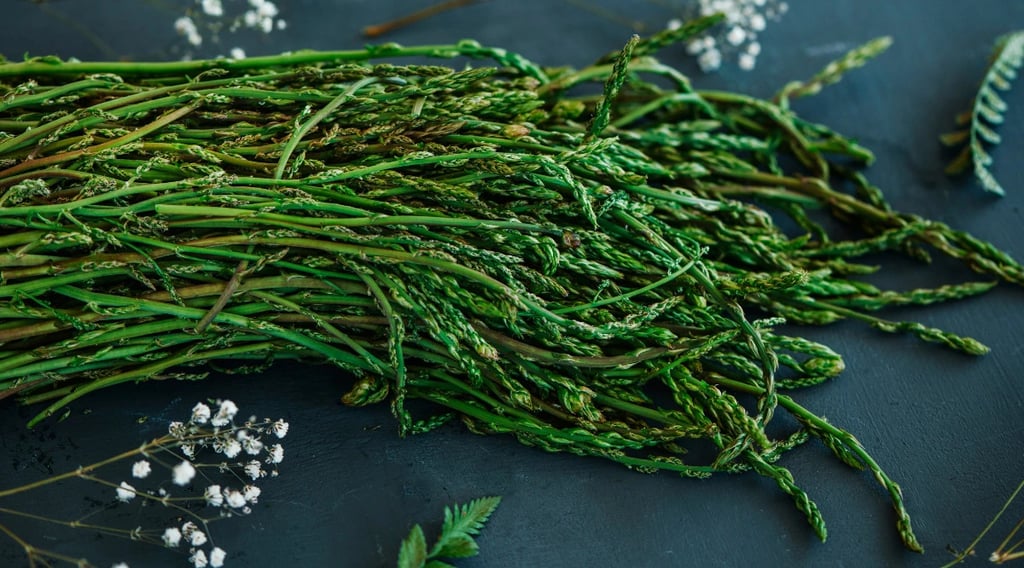
- The Thrill of the Hunt: Why Wild Asparagus Is a Spring Favorite
As spring arrives and the countryside turns green, outdoor enthusiasts and food lovers head into the fields for a rewarding seasonal activity: foraging for wild asparagus. Unlike store-bought spears, wild asparagus offers an intense, nutty, and vibrant flavor that simply cannot be replicated by commercial farming.
Finding these hidden gems requires a keen eye and a bit of patience, but the reward is a gourmet ingredient straight from mother nature. In this comprehensive guide, Little Market walks you through everything you need to know about identifying, harvesting, and enjoying wild asparagus safely and sustainably.
- How to Identify Wild Asparagus in the Wild
Wild asparagus is actually the same species as cultivated garden asparagus, but it grows uninhibited in natural environments. Depending on the region, you may spot slight variations:
The Young Shoots: In early spring, look for thin, tender green or slightly purple spears pushing through the soil or dry grass. They look just like mini versions of store-bought asparagus.
The Mature Ferns: The easiest way to spot wild asparagus is to remember where you saw the bushy, feather-like green ferns during the previous summer or autumn. In early spring, new spears will sprout from the exact same root systems underneath those dead brown stalks.
- Where and When to Forage for Wild Asparagus
. The Best Locations
Wild asparagus loves sunlight and well-drained soil. You will most likely find it growing in these key spots:
Along sunny fence lines and country roadsides
Near ditch banks and riverbeds where moisture is accessible
Around the edges of old orchards and pasture fields
Near railroad tracks (always ensure you are in a safe and legal foraging area)
. The Peak Season
The prime time to harvest wild asparagus is from early spring through late May, depending on your local climate. Once the weather gets hot, the spears quickly turn into tall, woody ferns and become too tough to eat.
- Sustainable Foraging: Golden Rules for Harvesting
Ethical foraging ensures that wild asparagus patches continue to thrive year after year.
Important Foraging Tip: Never harvest every single spear from a plant cluster. Always leave at least two or three spears per root system to grow into full ferns. This allows the root system to store energy for the next year. Use a sharp knife or snap the spears by hand just above ground level.
- How to Clean and Cook Fresh Wild Asparagus
One of the best things about wild asparagus is that it never needs to be peeled. The spears are naturally tender and packed with flavor.
Cleaning: Wash the harvested spears thoroughly in cold water to remove any soil or sand. Pat them dry with a clean towel.
Prepping: Hold a spear at both ends and bend it until it snaps naturally. It will break right where the woody base meets the tender stem. Save the tough ends to flavor homemade vegetable stock.
Simple Cooking Methods: Sauté the spears in a skillet with olive oil, minced garlic, and sea salt for three to five minutes. They are also fantastic roasted in the oven, grilled over charcoal, or tossed directly into a fresh spring pasta.
- Frequently Asked Questions About Wild Asparagus (FAQ)
. Are there any poisonous look-alikes to wild asparagus?
Wild asparagus is fairly distinct, but beginners should be careful not to confuse young shoots with horse gentian or certain lily species. Always use a reliable field guide or foraging app to verify your find before consuming any wild plant.
. How long does fresh wild asparagus last in the fridge?
Wild asparagus is best enjoyed on the day it is picked. However, you can keep it fresh for up to five days by standing the stems upright in a glass with an inch of water, covering the tops loosely with a plastic bag, and keeping it in the refrigerator.
. Is wild asparagus healthier than store-bought asparagus?
Yes, wild asparagus often packs a higher concentration of nutrients because it grows naturally in nutrient-rich wild soil without artificial fertilizers. It is loaded with fiber, folate, potassium, and essential vitamins like Vitamin A, C, and K.
- Final Thoughts: Taste the Pure Flavor of Spring
Foraging for wild asparagus is more than just gathering food; it is a wonderful way to connect with nature and enjoy the fresh air of spring. Armed with a bit of knowledge and respect for the environment, you can enjoy one of the most delicious wild foods nature has to offer.